




Are We Good Enough for Our Pets? What They See in Us
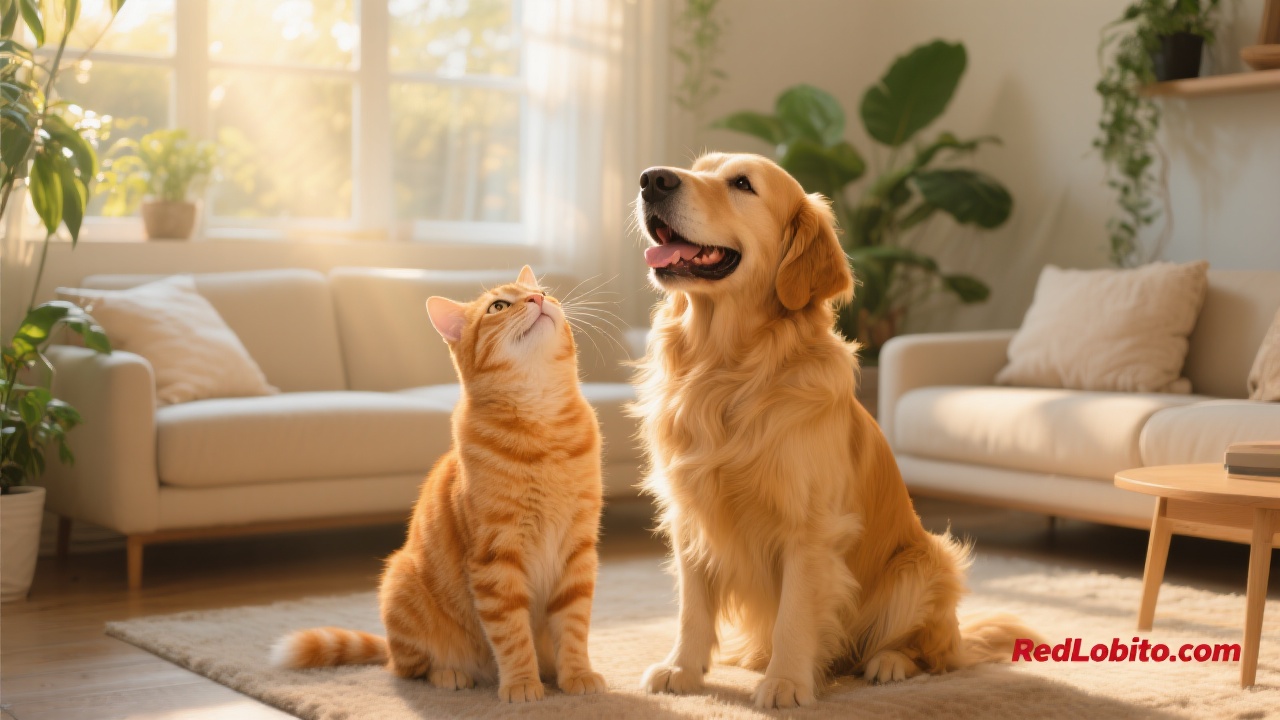
Click to expand
- Introduction: Are We Good Enough for Our Pets? What They See in Us
- The Science of Pet Perception
- Emotional Intelligence in Pets
- What Do Pets Feel About Their Owners?
- How Do Pets See Their Owners?
- Am I a Good Pet Parent?
- Signs Your Pet Trusts You
- How to Improve My Relationship with My Pet
- Do Pets Judge Us?
- Ways to Bond with My Dog or Cat
- How to Tell If My Pet Is Happy with Me
- Best Books About Understanding Pets
- Pet Psychology Courses Online
- Toys to Strengthen Bond with Pets
- Pet Behaviorist Near Me: When to Seek Help
- RSPCA Advice for Pet Owners
- PetMD Articles About Pet Emotions
- Best Pet Owner Forums
- Responsible Pet Ownership: Going Beyond the Basics
- Creative Bonding Activities for Pets and Owners
- How Do Pets Interpret Human Emotions?
- How to Evaluate My Pet Parenting Skills
- Accredited Online Pet Psychology Courses
- Top Online Forums for Pet Owners 2025
- The Role of Routine and Consistency
- Nutrition and Its Impact on Pet Perception
- The Power of Positive Reinforcement
- The Importance of Play and Enrichment
- Understanding Pet Body Language
- The Impact of Environment on Pet Wellbeing
- The Value of Veterinary Care and Preventive Health
- The Influence of Socialization on Pet Behavior
- The Human-Animal Bond: Stories from Real Owners
- Overcoming Challenges in Pet Ownership
- Conclusion: Are We Good Enough for Our Pets? What They See in Us
Introduction: Are We Good Enough for Our Pets? What They See in Us
Clases y tutorías personalizadas PAES Matemáticas
Nivela tus competencias y alcanza tus expectativas
+56937780070 preuch.cl
Are We Good Enough for Our Pets? What They See in Us is a phrase that echoes in the minds of responsible pet owners everywhere. From the moment we bring a new companion into our lives, we are faced with the challenge of living up to their unconditional love and trust. But what does it really mean to be “good enough” for our pets? Is it about providing the best food, the coziest bed, or the most expensive toys? Or is it something deeper—something that goes beyond material comfort and speaks to the very core of our relationship with our animals?
“The greatness of a nation and its moral progress can be judged by the way its animals are treated.” – Mahatma Gandhi
In this comprehensive guide, we will explore every facet of this question, using the latest research, expert advice, and real-life stories. Whether you’re a new pet parent or a seasoned animal lover, you’ll find insights, tips, and inspiration to help you become the best version of yourself—for your pet’s sake and your own. As you read on, you’ll discover that being good enough for your pet is a journey, not a destination, and that every day offers new opportunities to strengthen your bond.
The Science of Pet Perception
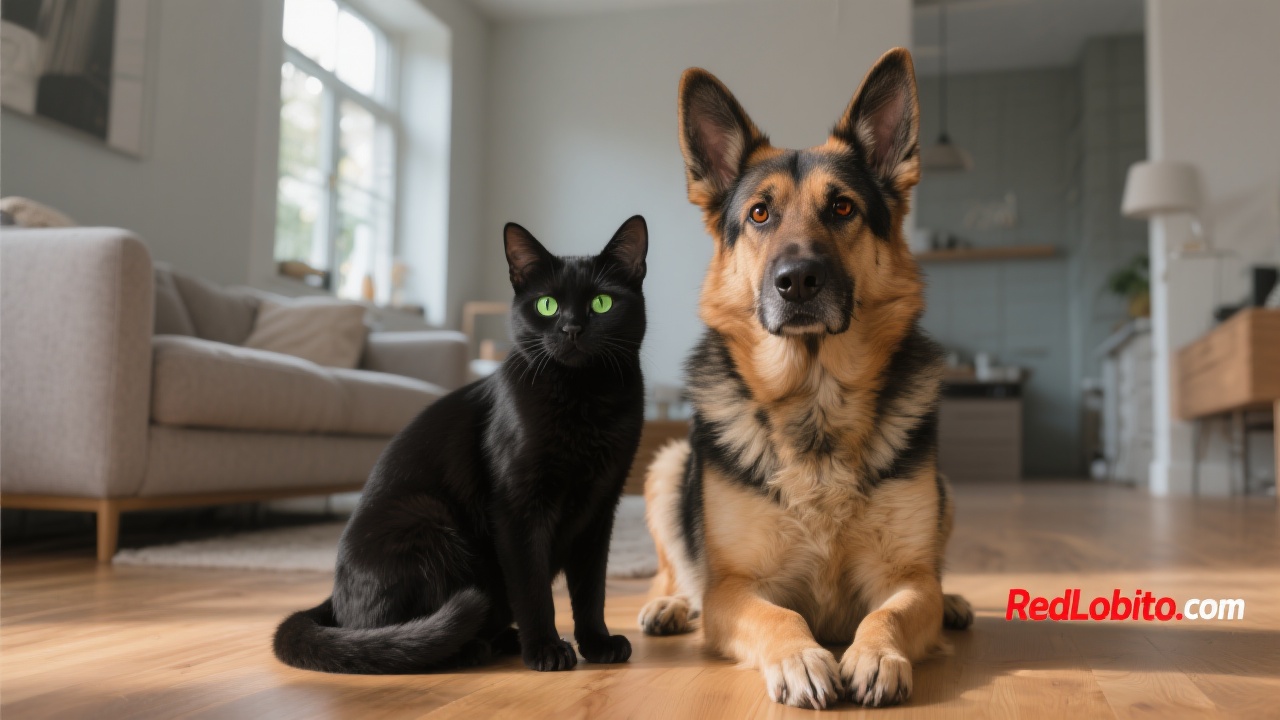
To truly answer Are We Good Enough for Our Pets? What They See in Us, we must first understand how pets perceive the world. Dogs, for example, see the world through a different spectrum of colors and rely heavily on their sense of smell. Cats, on the other hand, are masters of subtlety, picking up on the tiniest changes in our mood and behavior.
Recent studies in animal cognition have revealed that pets are far more perceptive than we once believed. They can read our facial expressions, sense our emotions, and even anticipate our actions. This means that our pets are constantly evaluating us—not in a judgmental way, but as a means of understanding their environment and ensuring their own safety and happiness.
Clases y tutorías personalizadas PAES Matemáticas
Nivela tus competencias y alcanza tus expectativas
+56937780070 preuch.cl
Emotional Intelligence in Pets

Pet emotional intelligence is the ability of animals to recognize, respond to, and even influence the emotions of those around them. This is why your dog might nuzzle you when you’re feeling down or your cat might curl up beside you after a long day. These behaviors are not random; they are a testament to the deep emotional connection that exists between pets and their owners.
What Do Pets Feel About Their Owners?
The emotional connection between humans and pets is one of the most profound relationships we can experience. But what do pets feel about their owners? Are their feelings as deep and complex as ours?
- 🐾 Loyalty: Dogs, in particular, are known for their unwavering loyalty and attachment to their owners.
- 🐾 Affection: Cats, while more independent, also form strong bonds and can become deeply attached to their human companions.
- 🐾 Trust: Both dogs and cats show trust through their willingness to be vulnerable around you.
“Pets may not speak our language, but their hearts understand us perfectly.”
Research suggests that pets experience a range of emotions, from joy and excitement to anxiety and fear. They forgive our mistakes, celebrate our successes, and comfort us in times of need. Are We Good Enough for Our Pets? What They See in Us is a question that reminds us to cherish and nurture this unique bond.
How Do Pets See Their Owners?
Click to reveal the science behind pet perception
When we ask, how do pets see their owners, we’re not just talking about physical sight. Pets see us through a complex lens of sensory input, emotional cues, and learned experiences. For instance, a dog may associate your voice with comfort, while a cat may interpret your body language as a sign of affection or stress.
- 👃 Smell: Dogs recognize us primarily by scent, which is why they’re so excited when we return home.
- 👀 Body Language: Cats are experts at reading subtle changes in our posture and movement.
- 🗣️ Voice: Both dogs and cats respond to the tone and rhythm of our voices, not just the words.
Am I a Good Pet Parent?
Am I a good pet parent? is a question every responsible owner asks. The answer depends on how well you meet your pet’s physical, emotional, and social needs.
Signs Your Pet Trusts You
Show signs of trust
- 😌 Relaxed body language and posture
- 👁️ Gentle, sustained eye contact
- 🤗 Seeking physical closeness (sitting on your lap, following you)
- 🎉 Playfulness and excitement in your presence
- 🛌 Willingness to be vulnerable (showing belly, sleeping near you)
How to Improve My Relationship with My Pet
Many pet owners seek ways to deepen their bond and create a more fulfilling partnership. Here are some proven strategies:
- Engage in regular playtime and exercise
- Provide mental stimulation through training and enrichment
- Practice positive reinforcement and gentle discipline
- Create a consistent routine and safe environment
- Communicate with your pet through body language and vocal cues
Show more advanced tips
- Try scent games or puzzle feeders for mental challenge
- Rotate toys to keep things fresh and exciting
- Attend pet-friendly classes or events together
- Document your progress in a pet journal
Do Pets Judge Us?
“While pets may not judge in the same way humans do, they are constantly observing and reacting to our behavior.”
Do pets judge us? Not exactly, but they do form opinions based on their experiences. A dog treated with kindness will see you as a source of safety and comfort. A pet that is neglected may become fearful or distrustful.
Ways to Bond with My Dog or Cat
Show creative bonding activities
- Teach your pet a new trick or command
- Explore new environments together (parks, hiking trails)
- Engage in interactive play with toys and puzzles
- Practice grooming and gentle massage
- Join pet-friendly events or classes
How to Tell If My Pet Is Happy with Me
Wondering if your pet is truly happy? Take this quick self-check:
Show more subtle signs of happiness
- Soft, slow blinks (especially in cats)
- Wagging tail with relaxed body (dogs)
- Bringing you toys or “gifts”
- Sleeping near you or in your bed
- Following you from room to room
Best Books About Understanding Pets
Show top-rated books for pet owners
- The Secret Language of Dogs by Victoria Stilwell
- Cat Sense by John Bradshaw
- The Other End of the Leash by Patricia McConnell
- Decoding Your Dog by the American College of Veterinary Behaviorists
Pet Psychology Courses Online
Show accredited online courses
- Coursera: Animal Behaviour and Welfare
- Udemy: Dog Psychology & Training
- The Open University: Animal Minds
- Animal Behavior College: Certified Courses
Toys to Strengthen Bond with Pets
Toys are more than just fun—they’re essential for building trust and connection.
- 🧩 Puzzle feeders
- 🦴 Tug-of-war ropes
- 🔦 Laser pointers (for cats)
- 🎾 Fetch toys
- 🍬 Treat-dispensing balls
Show tips for choosing the right toy
- Match the toy to your pet’s size and play style
- Rotate toys to keep your pet interested
- Supervise play with new toys for safety
Pet Behaviorist Near Me: When to Seek Help
Show when to seek a professional
- Persistent aggression or fear
- Destructive behavior despite training
- Separation anxiety or excessive barking/meowing
- Sudden changes in behavior or mood
RSPCA Advice for Pet Owners
Show RSPCA’s top tips
- Provide a suitable environment and shelter
- Ensure a proper diet and fresh water
- Allow your pet to express normal behavior
- Protect your pet from pain, suffering, and disease
- Offer companionship and avoid loneliness
PetMD Articles About Pet Emotions
Show expert advice from PetMD
- How to recognize anxiety in pets
- Understanding pet depression and its signs
- Ways to comfort a stressed animal
- How pets express happiness and affection
- Tips for building emotional resilience in pets
Best Pet Owner Forums
Show top online communities
- The Pet Forums Community
- Reddit’s r/pets
- DogForum.com
- CatForum.com
- PetMD Community
Responsible Pet Ownership: Going Beyond the Basics
Responsible pet ownership is about more than just meeting your pet’s basic needs. It’s about creating a nurturing environment, providing enrichment, and being proactive about health and wellness.
Show advanced tips for 2025
- Schedule regular veterinary check-ups and vaccinations
- Provide mental stimulation and enrichment daily
- Socialize your pet with other animals and people
- Stay informed with the latest pet care research
- Keep a pet care journal to track progress and health
Creative Bonding Activities for Pets and Owners
Show unique bonding ideas
- DIY obstacle courses at home
- Scent games and treasure hunts
- Pet yoga or doga sessions
- Cooking homemade pet treats together
- Creating a pet photo album or scrapbook
How Do Pets Interpret Human Emotions?
Show how pets read your feelings
- Pets use visual, auditory, and scent cues to sense your mood
- During stressful times, pets may offer comfort or distraction
- Dogs often mirror their owner’s emotions and energy
- Cats may become more affectionate or seek solitude depending on your mood
How to Evaluate My Pet Parenting Skills
Self-reflection is key to growth. Use this quick self-assessment to see where you shine and where you can improve:
Show self-assessment checklist
- Do I provide daily mental and physical stimulation?
- Am I consistent with routines and boundaries?
- Do I respond to my pet’s emotional needs?
- Am I proactive about health and preventive care?
- Do I seek new knowledge about pet care?
Accredited Online Pet Psychology Courses
Show best accredited courses for 2025
- Coursera: Animal Behaviour and Welfare (University of Edinburgh)
- Udemy: Dog Psychology & Training
- The Open University: Animal Minds
- Animal Behavior College: Certified Courses
Top Online Forums for Pet Owners 2025
Show most active forums
The Role of Routine and Consistency
Routine and consistency are vital for pets. Animals thrive when they know what to expect, and a predictable schedule helps reduce anxiety and behavioral issues.
Show routine tips
- Feed, walk, and play at the same times each day
- Use consistent cues for commands and praise
- Establish a bedtime routine for calm evenings
- Introduce changes gradually to avoid stress
Nutrition and Its Impact on Pet Perception
Show nutrition tips
- Choose a balanced, species-appropriate diet
- Provide fresh water at all times
- Offer healthy treats in moderation
- Consult your vet for dietary advice
- Monitor your pet’s weight and energy levels
The Power of Positive Reinforcement
Show top positive reinforcement tips
- Reward immediately after the desired behavior
- Use small, healthy treats or favorite toys
- Pair treats with enthusiastic praise (“Good dog!”)
- Be consistent—reward every time at first, then randomly
- Keep training sessions short and fun
The Importance of Play and Enrichment
Understanding Pet Body Language
Show common body language signals
- Relaxed: Loose body, soft eyes, wagging tail (dog), slow blinks (cat)
- Stressed: Pacing, panting, tucked tail, flattened ears
- Happy: Play bow (dog), purring (cat), rolling over
- Fearful: Hiding, cowering, dilated pupils, hissing or growling
The Impact of Environment on Pet Wellbeing
The Value of Veterinary Care and Preventive Health
Show preventive health tips
- Schedule annual wellness exams
- Keep up with vaccinations and parasite prevention
- Monitor weight, appetite, and behavior changes
- Ask your vet about dental care and nutrition
- Don’t wait for illness—proactive care is best!
The Influence of Socialization on Pet Behavior
The Human-Animal Bond: Stories from Real Owners
— Sarah, dog mom from Texas
Read more real-life stories
- “My cat Luna always knows when I’m sad. She curls up on my lap and purrs until I smile.” — James, UK
- “After losing my job, my dog Charlie kept me motivated to get up and go for walks. He gave me purpose.” — Emily, Canada
- “Our rescue dog taught our family about patience, forgiveness, and unconditional love.” — The Smiths, Australia
Overcoming Challenges in Pet Ownership
Show tips for overcoming challenges
- Seek support from professionals and online communities
- Break big problems into small, manageable steps
- Celebrate progress, not just perfection
- Remember: every challenge is a chance to grow together
Conclusion: Are We Good Enough for Our Pets? What They See in Us
By seeking knowledge, practicing empathy, and striving for continuous improvement, we can ensure that we are not only good enough for our pets—but the very best they could ever hope for.
With each day, each interaction, and each act of kindness, we move closer to answering the question with a resounding yes.
Download our free guide: “10 Secrets to a Happier, Healthier Pet” and start your journey today! No spam. Just pure pet wisdom!

