




As veterinarians with extensive experience in reptile care, we understand the nuances and intricacies involved in turtle care and nutrition. Turtles, with their unique physiological needs and long lifespans, require specialized care to thrive. This guide will provide detailed insights into the best practices for keeping your turtle healthy and happy.
Understanding Turtle Behavior and Habitat Requirements
Clases y tutorías personalizadas PAES Matemáticas
Nivela tus competencias y alcanza tus expectativas
+56937780070 preuch.cl
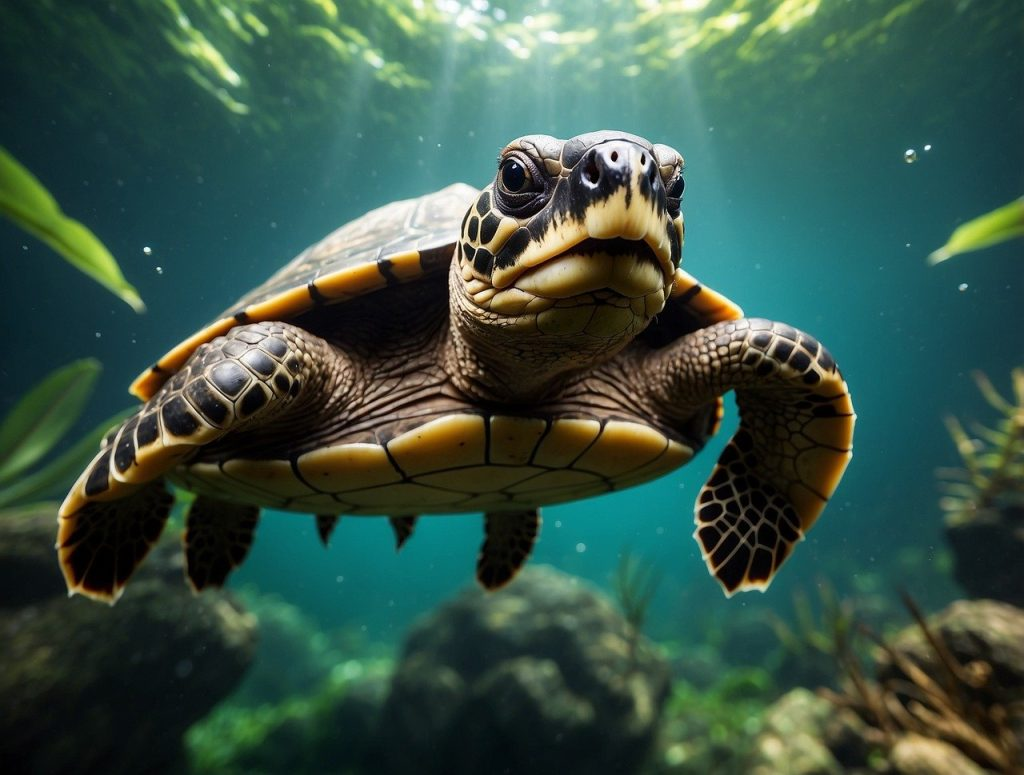
Turtles are reptiles that have specific habitat needs depending on whether they are terrestrial or aquatic. Understanding their natural behavior and habitat is crucial for creating an environment that promotes their well-being.
Creating the Ideal Habitat
Aquatic Turtles
Aquatic turtles, such as red-eared sliders and painted turtles, spend most of their lives in water. Their tanks should have:
- Adequate water depth: The water should be deep enough for swimming but also have areas where the turtle can rest and bask.
- Filtration system: A powerful filter is essential to keep the water clean and free of harmful bacteria.
- Basking area: Turtles need a dry area where they can bask under a heat lamp to regulate their body temperature and absorb UVB rays for vitamin D3 synthesis.
- UVB lighting: Necessary for preventing metabolic bone disease and ensuring proper calcium metabolism.
Terrestrial Turtles
Terrestrial turtles, such as box turtles and tortoises, require:
Clases y tutorías personalizadas PAES Matemáticas
Nivela tus competencias y alcanza tus expectativas
+56937780070 preuch.cl
- Spacious enclosures: Provide ample space for movement and exploration.
- Substrate: A mix of soil and sand that allows for burrowing.
- Hiding spots: These help turtles feel secure.
- Temperature gradient: Ensure a warm basking spot and a cooler area to allow for thermoregulation.
Maintaining Optimal Conditions
- Temperature: Use heat lamps and heaters to maintain a consistent temperature range appropriate for your turtle species.
- Humidity: For species like box turtles, maintain high humidity levels by misting the enclosure and using a substrate that retains moisture.
- Cleanliness: Regular cleaning of the habitat and replacement of substrate or water is essential to prevent infections and disease.
Nutritional Needs and Feeding Practices
A balanced diet is critical for the health of your turtle. Different species have varying dietary requirements, but all benefit from a diet rich in variety and nutrients.
Diet for Aquatic Turtles
- Commercial Turtle Pellets: High-quality pellets designed for aquatic turtles can provide a balanced base for their diet.
- Fresh Vegetables: Leafy greens such as kale, collard greens, and dandelion greens are excellent choices.
- Protein Sources: Offer fish, shrimp, and insects like crickets or mealworms. Occasionally, you can provide cooked chicken or other lean meats.
- Supplements: Dust food with calcium powder, especially if your turtle does not have access to natural sunlight.
Diet for Terrestrial Turtles
- Vegetables and Fruits: A variety of vegetables, including squash, carrots, and zucchini, along with occasional fruits like berries and melons.
- Leafy Greens: Similar to aquatic turtles, offer kale, collard greens, and dandelion greens.
- Protein Sources: For species like box turtles, include protein sources such as earthworms, snails, and insects.
- Supplements: Calcium powder and multivitamins can help ensure your turtle gets all necessary nutrients.
Common Health Issues and Preventive Measures
Turtles can face several health challenges, but with proper care, many of these can be prevented or managed effectively.
Shell Health
- Shell Rot: Often caused by bacterial or fungal infections, shell rot can be prevented by maintaining clean habitats and providing UVB lighting.
- Metabolic Bone Disease: This is due to a lack of calcium or UVB exposure. Ensure a balanced diet and proper lighting to prevent this condition.
Respiratory Infections
- Symptoms: Look out for wheezing, nasal discharge, and lethargy.
- Prevention: Maintain proper temperature and humidity levels and ensure the habitat is clean.
Parasites
- Internal Parasites: Regular fecal examinations by a veterinarian can help detect and treat internal parasites.
- External Parasites: Check your turtle regularly for mites or ticks and maintain a clean environment.
Diet-Related Issues
- Obesity: Avoid overfeeding and provide a balanced diet.
- Vitamin A Deficiency: Ensure your turtle’s diet includes vitamin A-rich foods like carrots and sweet potatoes.
Handling and Interaction
Turtles are generally not as interactive as other pets but still require proper handling and care.
- Gentle Handling: Always handle your turtle gently and avoid dropping them, as their shells are sensitive and can crack.
- Minimize Stress: Turtles can become stressed with excessive handling, so limit interactions to what is necessary for health checks and cleaning.
Regular Veterinary Care
Regular check-ups with a veterinarian specializing in reptiles are crucial for detecting and addressing health issues early. A vet can provide guidance on diet, habitat, and overall care tailored to your specific turtle species.
Finding a Reptile Veterinarian
Look for a veterinarian with experience and specialization in reptile care. Regular visits will help keep your turtle healthy and address any potential issues promptly.
Conclusion
Proper care and feeding of turtles involve understanding their unique needs and creating an environment that closely mimics their natural habitat. With the right diet, habitat, and regular veterinary care, your turtle can live a long, healthy, and happy life.

